
Remove Bankruptcy and Charge Off From Credit Reports
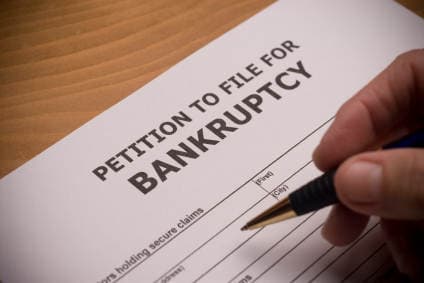



- A bankruptcy filing will appear on your credit reports.
- Review your credit reports to make sure your bankruptcy was reported accurately.
- Get no-cost copies of your credit reports at AnnualCreditReport.com
- Start your FREE debt assessment
How To Remove Charge-offs and Bankruptcy From Credit Reports
Charge-off (sometimes called "write-off") is an accounting term used by creditors when they move a delinquent account from its accounts receivable books to its bad debt ledger. This usually occurs between 180 and 240 days from the date of the last payment. The fact that an account is charged-off does not mean the debt may not be collected later. The charge-off date also does not correspond to the statute of limitations on collecting a debt, or the date that an entry on a credit record must be removed. All three dates or deadlines are independent of each other and have different meanings.
Because an account is charged off does not mean the creditor lacks a legal right to collect the debt. To the contrary, the creditor may move the account to its own internal collections department, or sell the debt to a third-party collection agency.
Bankruptcy and Credit Reports
Generally speaking, any account included in a bankruptcy filing will appear on credit reports as "included in bankruptcy," and reflect a $0 balance. It should not appear as open and past due. To correct this problem, you should first pull a copy of your credit report from each of the three major credit bureaus (Equifax, TransUnion, and Experian), then carefully review the reports to identify which discharged accounts are being reported inaccurately.
Get free copies of your credit reports at AnnualCreditReport.com, a Web site sponsored by the credit bureaus in compliance with federal law allowing all consumers to obtain a no-cost copy of each bureau’s credit report once every 12 months. Next, dispute the incorrect listings with the credit bureaus. See the Federal Trade Commission document FTC Facts for Consumers: How to Dispute Credit Report Errors for more information.
When disputing an account discharged in bankruptcy, include a copy of your credit report showing the inaccurate listing, as well as a copy of the order of discharge from the bankruptcy court, to show that the same account appearing on your report as delinquent was discharged in your bankruptcy filing. Once the credit bureaus receive your dispute letter, they should forward the documents to the creditors in question so the creditors can either challenge the disputes or correct the inaccurate listings. Given the fact that these debts were discharged in bankruptcy, there is no reason that the accounts should not be updated to reflect an accurate status. Having these accounts correctly listed on your credit reports should reduce their negative impact on your credit score, helping you rebuild a credit score after a bankruptcy filing. Although an account discharged in bankruptcy is not good for your credit score, having both a bankruptcy and delinquent balances on your credit report is usually worse.
Credit reports can be inaccurate, so it is important to review your credit profile regularly to verify all of the information reported by your creditors is correct. Carefully monitoring your credit history and disputing inaccurate items can increase your credit score significantly, which could save you thousands of dollars in interest on a mortgage, auto loans, and other forms of credit. To learn more about credit scoring and credit reports, visit the Credit Solutions section of Bills.com.
Free up cash each month with Freedom Debt Relief

Ozzy S., Freedom client
“Right away, I had more money each month because of program costs so much less than what I was paying on my minimums.”
Actual client of Freedom Debt Relief. Client’s endorsement is a paid testimonial. Individual results are not typical and will vary.
10 Comments
Wow, thanks for the great article!
First, did you press them to ask what account or accounts show as charged-off?
Second, speak with other lenders, to see if they give you the same answer.
You asked about your credit score. See the Bills.com article Short Sale, Foreclosure & Your Credit Score to learn what Fair Isaac & Co., the creator of the FICO score, says about the time to recovery on common negative events.
If you were an authorized user, and not a joint account holder, then the derogatory will appear on your credit report but the credit card issuer has no legal claim against you.