

Citibank Credit Card Settlement
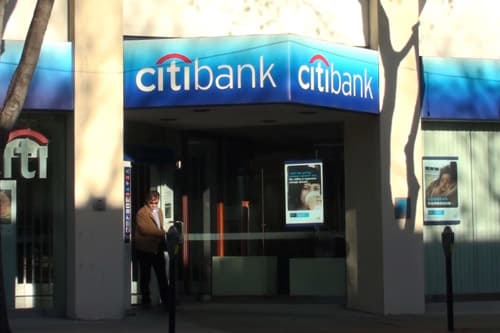



- A 50% debt settlement amount is an average amount.
- Citibank has a reputation for sharp negotiation policies.
- Don't let strong-arm tactics deter you from your goal.
- Start your FREE debt assessment
I settled a lot of credit cards these past 4 years, but I am having some trouble with Citibank. Any advice?
I have had a card with a balance between $13,000 and $14,000 for over 4 years. It was sent to collections 3 years ago. I have settled all other credit card accounts, however, this one company (CitiCard) has offered a settlement and then upped the amount at the beginning of the new year putting it out of reach. At this point, I've paid a few payments of $300.00 to keep fees from racking up but a recent set back caused me to ignore their calls in the past two months. They say they can't accept those sorts of payments forever. I'd like to settle with them but for the original settlement offer (50% vs. the 70% offer they upped it to this year). Should I go ahead and call them or wait until closer to the end of the year? I really need a few months to get enough together for a settlement as I have little extra cash. After having settled $41,000 in debt with other accounts within the last year, this one is hanging out there with no end in sight. I no longer use cards, however, I can't move ahead with this one hanging out there for $14,000. I ended up racking up this debt when my fiance lost his job the day our son was born. I am not debt savvy and often get intimidated into things that really unless I agree to them the company can't make me do, etc. I need some advice.
Settling with creditors can be an excellent way to resolve outstanding debt. Unfortunately, debt settlement can also be a complicated and sometimes difficult process involving multiple rounds of negotiations, strict due dates, and of course, the need to raise the money to actually pay the settlement. Thankfully, you already have a good bit of experience in negotiating with unsecured creditors.
Congratulations on your reaching settlements with your other creditors. Settling $41,000 in debt is quite an accomplishment. After negotiating on so much other debt, settling with Citibank on this final account should not be too much of a challenge, though I will admit that Citibank can be difficult when it comes to accepting settlement offers. Regardless of this reputation, I have seen Citibank settle with consumers on reasonable terms on many occasions, so you should not allow the bank’s current demands to force you into a less favorable agreement.
Quick tip #1:
You can negotiate settlements on your own, but may be better served having a professional negotiator work on your behalf. Speak with a pre-screened debt relief provider, to hear how a professional debt relief firm could assist you.
Settlement Percentages
It is not uncommon for creditors to change their internal settlement parameters from time to time. Therefore, it does not surprise me that Citibank's 50% settlement offer changed at the beginning of the year to the higher 70% offer. But these periodic changes can also go in the other direction, so even though they will only accept 70%, their guidelines could change again next month, allowing for the 50% offer to be accepted. You should continue to communicate with Citibank to express your desire to settle this account, but to also insist that you cannot settle for more than the 50% previously offered.
Be Ready to Pay
As far as the funding of the settlement, you should certainly try to raise the necessary funds as soon as possible to be prepared if Citibank does decide to accept your offer. Many creditors request payment within a relatively short time frame once a settlement is agreed upon; however, I would still continue to communicate with Citibank as long as you think that you can raise the funds needed to pay the settlement, if accepted, within a couple of months. You probably should not call Citibank and make offers that you cannot realistically afford to pay. If Citi accepts your offer and you are unable to pay the settlement, it could damage you ability to negotiate with them in the future.
Structured Settlements
In some cases, creditors agree to a settlement will allow 30 to 60 days or more to finalize the payment of a settlement amount, as long as a significant portion of the settlement can be paid soon after the agreement is finalized. Creditors may also be willing to take the settlement amount in payments that are spread out over a number of months. This is called a structured settlement.
Don't be Intimidated
The key to successfully negotiating with your creditors is not let strong-arm collection tactics intimidate you and pressure you into accepting an agreement which you cannot afford or which you do not feel is in your best interest. Many people choose to hire a third party debt negotiation firm to work with their creditors on their behalf because it is much easier for a third party representative to remain emotionally detached from the situation. Working with a professional debt settlement firm is even more attractive now that you can find a reputable firm that charges no-upfront fees. You won't have to pay anything for the firm's services, until after one of your accounts is settled.
Next steps
You should focus on your goal of settling the account and keep in mind that much of what collectors will tell you is designed to frighten and upset you, which can make it easier for the collectors to force you to make a decision that may not be in your best interest.
This account is large, and you could very credibly state that a Chapter 7 bankruptcy is not out of the question for your situation if Citibank will not agree to settle this account for an amount that you can afford. You may wish to tell them that you had to scrape up the money to meet the 50% offer and you have exhausted all of your financial resources. Once you reach an agreement with the creditor, make sure that it sends you a copy of the terms in writing before you make payment.
If you would like to learn more about negotiating with your creditors, I invite you to visit the Bills.com Debt Negotiation and Settlement page.
Additional resources
I have answered other reader questions regarding Citi credit card accounts. See Renegotiate Citi Credit Card Settlement Agreement to understand your options if you have a settlement agreement with Citi you can no longer afford; Citibank Hardship Program for tips on how to enter Citibank's credit card hardship program; Negotiate Citibank Debt to learn what to expect when negotiating debt with Citibank; and Citibank Settlement for ideas on how to negotiate with a collection agency that owns a Citibank collection account, and Consolidating Citi Credit Card Debt.
I hope that the information I have provided helps you Find. Learn. Save.
Best,
Bill
Free up cash each month with Freedom Debt Relief

Ozzy S., Freedom client
“Right away, I had more money each month because of program costs so much less than what I was paying on my minimums.”
Actual client of Freedom Debt Relief. Client’s endorsement is a paid testimonial. Individual results are not typical and will vary.
10 Comments
I g**** j** settled my outstanding through settlement with final payable amount Rs. 15000 vide ref. no. 0**-***-*** but not pay the amount in time now i want to pay settlement amount immediately You are requested to kindly contact my registered mobile no. 858*******
I think you are trying to reach Citibank and contacted our firm by mistake
It looks like you are trying to reach Citibank. I called the number you left to let you know we are not Citibank. There was no answer, so I am trying to reach you here.
Please be careful where you share your account information and personal info, too. I blacked it out to perserve your privacy.
Contact Citi directly, please. Go to their website to find the right phone number.
Kindly send me statement amount.
Vijay, we are not Citibank. Please go to the official Citbank website, to access account information.https://online.citi.com/.
I need settelement of citi bank credit card need to know the procedure.
You can either try to contact Citi directly and negotiate a settlement. Or, reach out to a professional debt settlement company that can provide a free consultation and explore your options.