
Understanding Your Credit Score
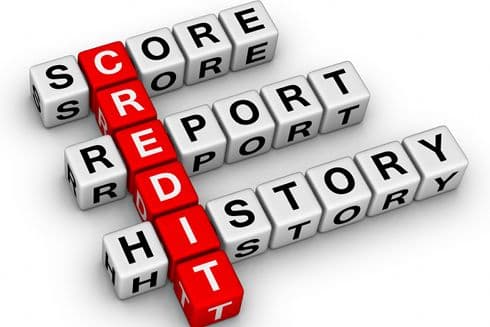



- Learn how your credit score is calculated.
- Review what steps you can take to improve your score.
- See where you can find free credit reports.
- Start your FREE debt assessment
What does my credit score mean and what does it do for me?
Credit reports and credit scores can be quite confusing.
Because they are important to achieving your financial goals, it is important that you understand how your credit score works and what information appears on your credit report.
If you want to know how a potential lender views you, the most important step in understanding your credit score is to know what a credit score (or FICO score) is and how it is determined.
A smart first step to understanding your credit score is to examine your credit report. Get copies of your credit report from the three major credit bureaus and review them.
Free Credit Reports
By law, you are entitled to one free credit report annually from each of the three credit bureaus.
The freebies you get through AnnualCreditReport.com do not come with a credit score. When requesting a no-cost report from AnnualCreditReport.com, it makes sense to pull one bureau every four months, so you can review your credit report at no cost three times a year.
You are also entitled to a free copy of your credit report if you were denied credit; however, you can only request a copy from the specific credit bureau that supplied the credit report to the creditor who denied you.
There are sites that allow you to get a free credit report with scores. Most of these sites are asking you to sign up for some kind of service, such as credit protection or credit monitoring. As long as you cancel anything they ask you to sign up for, usually within 7 to 14 days, there will be no fee for accessing your credit reports with scores.
Quick Tip #1
Want to see what is on your credit report and view your credit score? Receive a credit report and score, for a free trial period.
FICO
A FICO credit score comes from the Fair Isaac Company, which came up with the process of condensing all of your credit information into one three-digit number. Three quarters of all lenders use the FICO credit score when considering requests for loans or credit, which is what makes your credit score and understanding what it is and how it works so important.
Your credit score is used to determine if you qualify for a loan or credit as well as what interest rates a lender will offer you. Lenders will use your credit score when judging your application for a mortgage, car loan, personal loan, private student loan, or credit card.
If your FICO credit score is on the low side, you will pay a higher interest rate on loans and credit cards. To get the best interest rates, your credit score should be 720 or above.
What is the Range of Possible FICO Credit Scores and What Do They Mean?
- Excellent: Over 740
- Very Good: 680-720
- Good: 620 to 680
- Fair: 580-620
- Poor: 500-580
If you have a score that is less than 500, it is unlikely that a lender will approve you for credit.
How is My FICO Score Calculated?
For you to build and maintain a strong credit score, it is good for you to understand how your score is determined.
The formula used to calculate your FICO credit score includes information based on several factors:
- 35% on your payment history
- 30% on the amount you currently owe lenders
- 15% on the length of your credit history
- 10% on the number of new credit accounts you've opened or applied for
- 10% on the mix of credit accounts you have (mortgages, credit cards, installment loans, etc.)
How Can I Improve My Credit Score?
Bills.com has written numerous articles on how debt affects your credit score and how to increase your score. Here are five simple steps to improve help you build and protect your credit rating:
1. Keep credit card balances below 30% of your credit limit. This applies to both individual cards and the total amount of your credit card debt compared to your total credit card limits. Best practice is to never "max out" any card.
2. Pay your bills on time. Late payments cause serious damage to your credit score. In general, the credit bureaus record your payment as late if you are 30 days late on a payment. That does not mean there is no harm in being a day late, as being even one day late can cause a creditor to raise your interest rates severely. A hike in interest rates increase the risk of missed future payments, which cause additional expense and credit harm.
3. Diversify your credit portfolio. If, for example, you have only a Visa, MasterCard, or Discover card, get a department store credit card or card from a gasoline retailer. Make your payments every month. Use your accounts and pay them off, showing that you know how to responsibly use the credit you've been granted.
4. Keep your oldest credit account active. Closing a positive account doesn't wipe it off your report immediately. In fact, it should show for 10 years. However, it is a good practice to keep your old accounts active.
5. Review your credit report regularly. Dispute any inaccurate information so that it can be corrected or removed by the credit bureaus. The Bills.com debt self-help center has sample dispute letters you can use. The credit bureaus must follow the rules set forth by Congress in the Fair Credit Reporting Act (FCRA).
If you would like to learn more about credit reports, credit scoring, and what it means to you, please explore the wealth of material offered by the Bills.com credit information page.
Free up cash each month with Freedom Debt Relief

Ozzy S., Freedom client
“Right away, I had more money each month because of program costs so much less than what I was paying on my minimums.”
Actual client of Freedom Debt Relief. Client’s endorsement is a paid testimonial. Individual results are not typical and will vary.
What changed in your spouse's credit file, aside from the score? Did your spouse close an account with a long history? Apply for a new account? Max-out a credit card? Look closely: Some cause is responsible for the effect you see.